
Reviewed · MUSEUMS
Musicians Hall of Fame and Museum Admission Ticket in Nashville
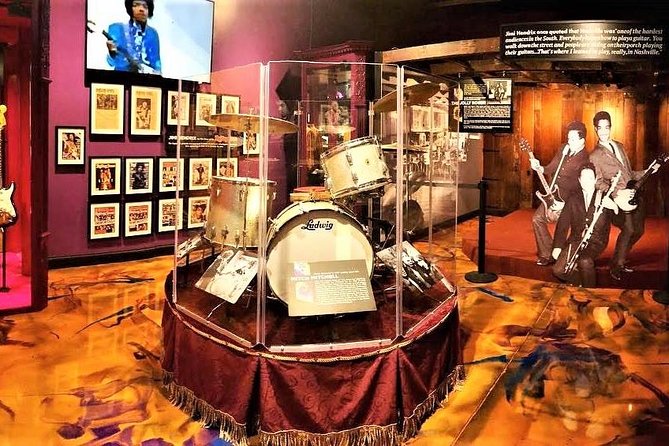
Nashville’s music story is bigger than the stars in the spotlight. At the Musicians Hall of Fame and Museum, you’ll see the instruments and studio equipment used by the players who helped turn famous songs into lasting hits. Joe Osborn’s Fender Jazz Bass, the control board from Jack’s Tracks Recording Studio, and the original stage where a young Jimi Hendrix performed give the exhibits a satisfying behind-the-scenes angle.
I especially like two things here: the collection covers much more than country music, and the interactive GRAMMY Museum Gallery® lets you play drums, keyboard, bass, and guitar, or try singing and recording. The main consideration is focus. If music history does not interest you, the many displays and written explanations may feel slow, and the museum is a little away from Nashville’s main Broadway strip.
In This Review
- Key Points
- Why the Musicians Hall of Fame Tells a Different Nashville Story
- The Instruments Behind Familiar Songs
- Jimi Hendrix’s Original Stage
- Getting Hands-On in the GRAMMY Museum Gallery®
- A Visit That Works for Music Fans and Families
- How Long to Allow and How to Use Your Time
- The $28 Price and What You Get
- Location, Walking, and Practical Planning
- What I Like Most, and What I Would Watch For
- Who Should Book This Admission?
- Should You Book the Musicians Hall of Fame?
- FAQ
- How much does admission to the Musicians Hall of Fame and Museum cost?
- How long should I plan for the visit?
- What is included with the ticket?
- Can I see Jimi Hendrix memorabilia?
- What are the museum’s opening hours?
- Can I cancel for a refund?
Key Points
- See instruments tied to famous recordings: Joe Osborn’s Fender Jazz Bass appeared on hits by The Carpenters, Mamas and the Papas, The Grass Roots, and Simon and Garfunkel.
- Stand on a piece of music history: The original stage where Jimi Hendrix once performed is included with admission.
- Try the studio life yourself: The GRAMMY Museum Gallery® offers electric drums, keyboard, bass, guitar, singing, DJing, recording, and rehearsal activities.
- Plan for one to three hours: You can make a quick visit in about an hour or spend much longer reading, watching films, and using the interactive stations.
- Expect more than country music: Exhibits cover a wide range of American music and are arranged by genres and historical periods.
- Check the location before you go: The museum is near public transportation and roughly a 10 to 15 minute walk from the main Broadway area, depending on your route.
Why the Musicians Hall of Fame Tells a Different Nashville Story
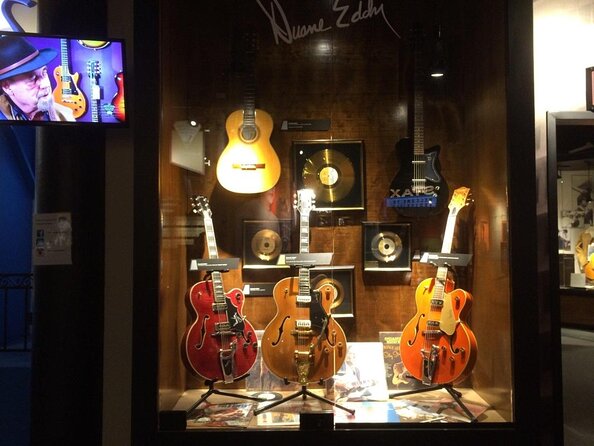
Nashville is famous for singers, songwriters, and honky-tonks. This museum shifts your attention to the people who often worked just outside the spotlight: session musicians, producers, engineers, arrangers, and recording specialists.
That change in viewpoint is the main reason I would choose this museum over another display of costumes and celebrity portraits. You still encounter major names, but the objects explain how the music was actually made. A bass guitar can tell you more about a recording than another framed photograph if the exhibit connects it to the sound you know.
The collection reaches well beyond country music. You may find exhibits tied to rock, pop, soul, gospel, rhythm and blues, and other parts of American music. Displays are organized by genres and historical periods, which makes it easier to follow the development of recording and performance over time.
The museum also includes film presentations, memorabilia, musical instruments, and old recording equipment. Give yourself time to read. The experience is not only about recognizing famous names. It is about seeing the tools, decisions, and working musicians behind the finished songs.
More Nashville museums and collections:
- Country Music Hall of Fame and Museum Admission
★ 4.5 · 1,918 reviews - Nashville: Country Music Hall of Fame and Museum
★ 4.7 · 945 reviews - NYC: 9/11 Memorial & Museum Timed-Entry Ticket
★ 4.8 · 31,428 reviews
The Instruments Behind Familiar Songs
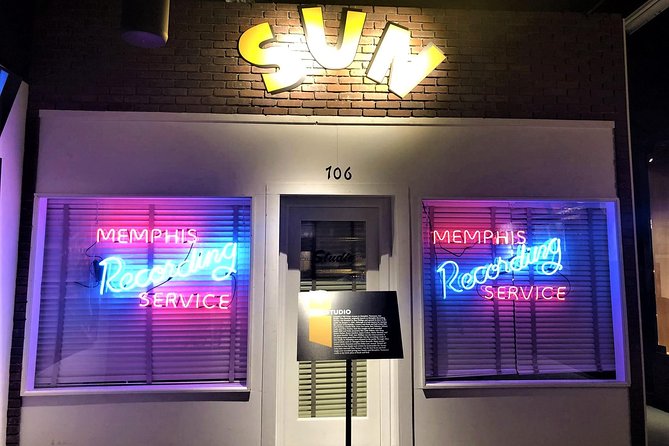
One of the most useful parts of the museum is the connection between an ordinary-looking instrument and a familiar recording. Joe Osborn’s Fender Jazz Bass is a good example. The exhibit links it to hits by The Carpenters, the Mamas and the Papas, the Grass Roots, and Simon and Garfunkel.
That kind of display helps you listen differently. Instead of thinking only about the lead singer, you begin to notice the bass line, rhythm, arrangement, and studio work supporting the song. For music fans, this is often more interesting than a room filled with general memorabilia.
You’ll also see other instruments and artifacts connected with major performers. The collection does not present every object as a precious relic without context. Its value comes from the story attached to each piece and the part it played in a recording or performance.
Some displays are tied to the equipment used in recording studios. The control board from Jack’s Tracks Recording Studio, where Garth Brooks recorded most of his hits, gives you a look at the machinery that shaped a major country career. It is a useful reminder that hit records are built in studios, not simply captured on stage.
Jimi Hendrix’s Original Stage
The original stage where a young Jimi Hendrix performed is included with admission. It is one of the museum’s most distinctive objects because it connects a physical place with a performer who later became a major figure in rock music.
You do not need to be a Hendrix expert to appreciate the exhibit. A stage is a simple object, but it carries a strong sense of scale and possibility. It shows how early performances can take place on modest platforms long before an artist becomes famous around the world.
The Hendrix area has received particular praise from people who enjoy the museum, so set aside a little extra time there if his music interests you. The broader lesson is just as important: the museum is interested in beginnings, working careers, and the people who helped shape music before and behind the public image.
Getting Hands-On in the GRAMMY Museum Gallery®
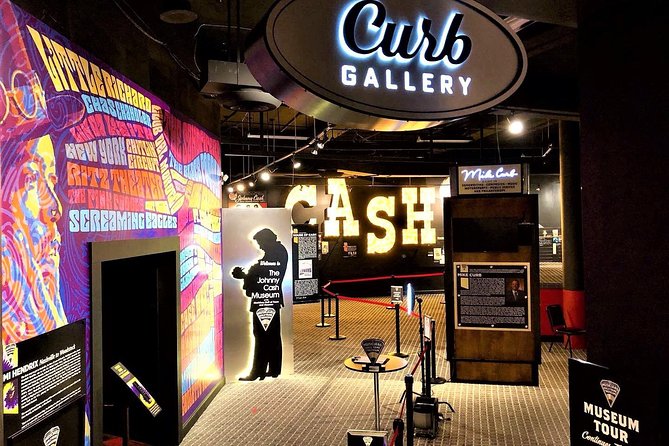
The GRAMMY Museum Gallery® changes the pace. After reading about instruments and recording history, you can try several activities yourself, using headphones for a more private experience.
You can play electric drums, keyboard, bass, and guitar. You can also sing along with Ray Charles and the Raelettes, the all-girl backing group associated with the legendary musician. These stations make the music feel physical rather than purely historical.
The gallery also lets you explore songwriting, engineering, and producing. You can step into a booth and get a sense of what it takes to cut a record. Other activities cover singing, recording, and DJing.
A recording studio and rehearsal room are included in the gallery experience. The provided information does not promise that every station will be available every moment, so think of these as hands-on features to look for rather than a scheduled recording session with an instructor.
This area is especially useful for families and mixed-age groups. One person can read about recording history while another tries a keyboard or sings. Teenagers may find the equipment more engaging than a standard museum case, and adults can take part without needing musical training.
The interactive section can also determine how long you stay. A quick visit may take about an hour if you move steadily through the exhibits. If you watch films, read the displays, and spend time with the music stations, plan closer to two or three hours.
More Nashville trips worth a second look
- Grand Ole Opry Show Admission Ticket
★ 4.5 · 2,518 reviews - Nashville RCA Studio B & Country Music Hall of Fame Ticket Combo
★ 5.0 · 1,532 reviews - Nashville: Grand Ole Opry Show Ticket
★ 4.8 · 1,041 reviews - NYC: SUMMIT One Vanderbilt Tickets
★ 4.7 · 51,195 reviews
A Visit That Works for Music Fans and Families
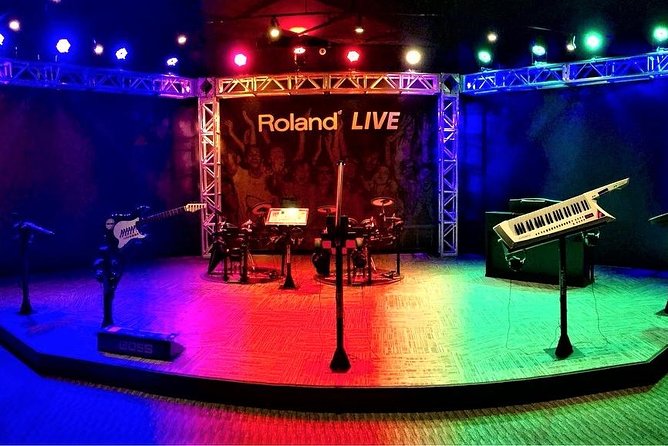
I would recommend this museum most strongly to people who enjoy learning how music is made. You do not need to play an instrument. Curiosity about famous songs, recording studios, or the working musicians behind performers is enough.
Families can use the museum at different speeds. Younger visitors may head straight for the instruments and singing stations, while adults can spend more time with the historical displays. A teenage visitor and a parent could easily have different favorite sections and still enjoy the same stop.
Couples and friends also get a flexible visit. You are not locked into a guide’s pace, and the all-day admission lets you move slowly. If you find one display especially interesting, you can take the time to read it instead of being hurried to the next stop.
The museum may be less satisfying if you want only current artists or recent music. Some exhibits focus on older recordings, classic equipment, and earlier periods. That is part of the museum’s purpose, but it means visitors looking for a very current picture of popular music may find the collection dated.
How Long to Allow and How to Use Your Time
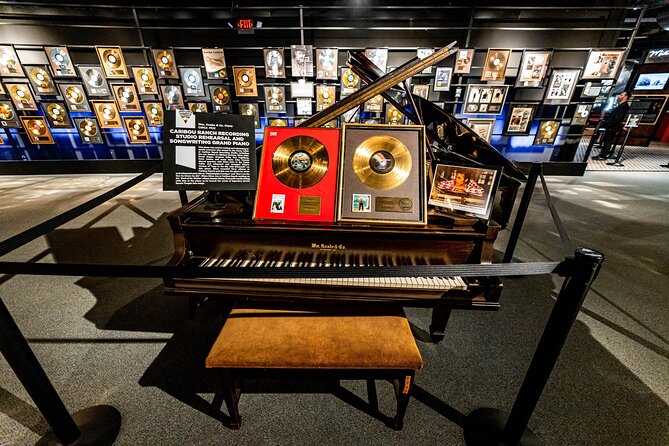
The stated visit length is approximately one to three hours. I would allow at least 90 minutes if you want to see the main exhibits and spend time in the GRAMMY gallery.
For a quick schedule, begin with the main Musicians Hall of Fame exhibits. Look for the notable instruments, the Jack’s Tracks control board, and the Hendrix stage. Then move to the interactive gallery and choose the stations that interest you most.
For a slower visit, read the information panels by genre and period, watch the available films, and try several recording activities. The people who spend three hours here are not simply walking in circles. They are combining exhibits, film, and hands-on activities.
The museum operates Monday through Saturday from 10 a.m. to 5 p.m. The supplied hours do not list Sunday opening, so do not build a Sunday visit into your plans without checking first. Since admission is listed as all-day access, a same-day return may be useful if your schedule allows, but confirm the exact entry terms when booking.
The $28 Price and What You Get
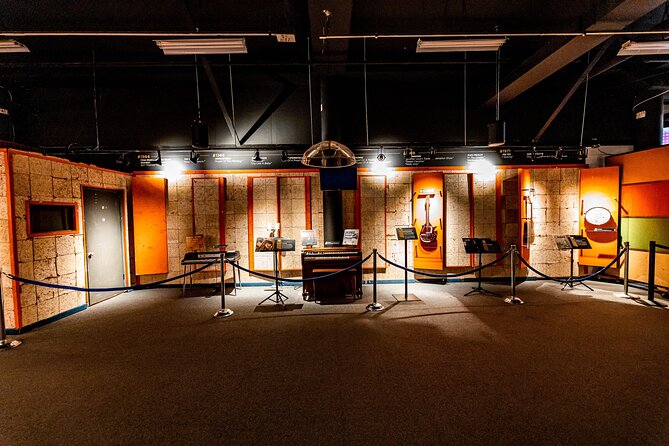
Admission costs $28 per person. That is a reasonable price if you plan to spend two or three hours inside and use the interactive exhibits.
The value is strongest because the ticket combines two related experiences: the Musicians Hall of Fame and Museum plus the GRAMMY Museum Gallery®. You are not paying only to look at instruments in cases. You also get access to activities involving singing, instruments, recording, producing, engineering, and DJing.
The price is less attractive if you only want a brief look around. A one-hour visit can still work, but you may not have enough time to read much and try the interactive stations without rushing. I would book it when you have room in your Nashville schedule, rather than squeezing it between two fixed events.
Souvenirs are not included, though items are available at the Museum Gift Shop. The ticket includes access to the exhibits and gallery, but it does not list a guided tour or a separate tour of an attached musical venue. If that kind of behind-the-scenes venue visit matters to you, this admission does not promise it.
Location, Walking, and Practical Planning
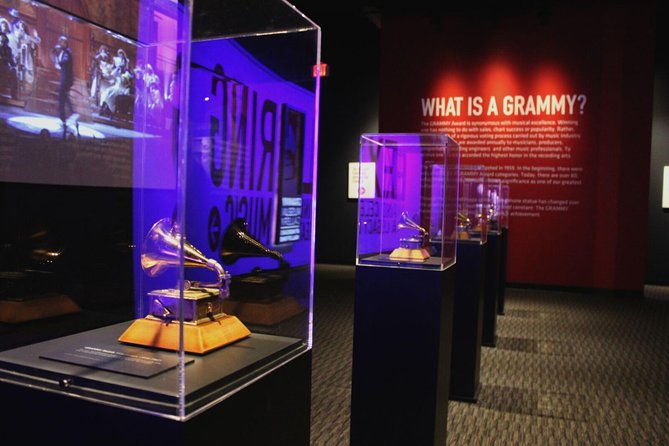
The museum is in downtown Nashville and is near public transportation. It is not directly in the thick of the Broadway entertainment district, which can be either a benefit or a small nuisance.
If you are walking from the main Nashville strip, allow roughly 10 to 15 minutes based on the route. That is not a major distance, but parking can change the calculation. A long walk from a parking garage has made the visit less convenient for some people, so check your parking plan before setting out.
The museum’s location can work well as part of a larger downtown day. You might visit before heading to Broadway, or use it as a quieter break from the noise and crowds. Since the area is accessible by public transportation, you do not necessarily need to drive.
The maximum group size is listed as 100 people, but this is admission to a museum rather than a fixed guided excursion. You can expect to explore at your own pace. Confirmation is provided at booking, and most people can participate.
The experience is offered in English. No guide names are provided, and the supplied information does not describe a guided commentary service. Plan on learning from the exhibits, films, and interactive stations rather than from a named guide leading you room by room.
What I Like Most, and What I Would Watch For
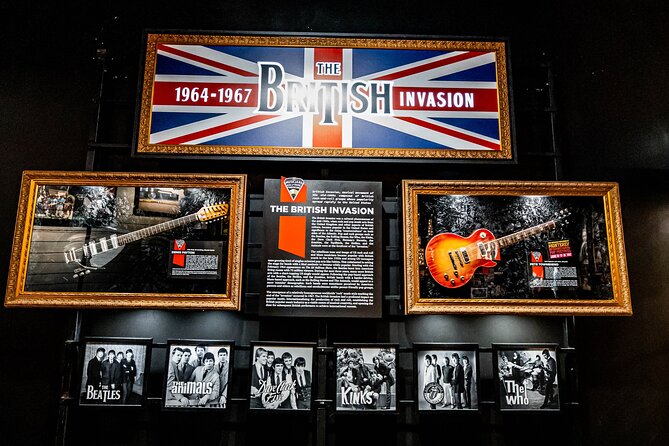
The museum’s best feature is its attention to the working side of music. The instruments are not presented only as famous objects. They are tied to recordings, studios, performers, and production choices.
I also like the range of activities. You can read about an engineer, then try a recording booth. You can see a historic instrument, then play a modern station. That mix keeps the experience from becoming a silent walk through display cases.
The staff are described as friendly and helpful, and customer service at the booking stage has been praised. That matters if you have questions before your visit or need help finding your way through the exhibits.
The main drawback is that the museum’s appeal depends heavily on your interest in music history. Some people may find the amount of reading slow or feel that the collection does not feature enough recent material.
Another practical issue is the location. It is walkable from Broadway, but it is not right on the main drag. If you are carrying shopping bags, traveling with small children, or parking far away, the extra walking may affect your mood before you even enter.
The interactive area can also be busier when several families or groups use it at once. You may need patience while waiting for a station, especially if you want to try several instruments. The museum has indicated that the interactive area may be renovated, so the exact setup can change.
Who Should Book This Admission?
You should book this if you want more than Nashville’s usual country music story. It is a strong choice for anyone curious about session musicians, recording equipment, historic instruments, and the craft behind famous songs.
Families with teenagers are likely to get good value from the interactive gallery. Music students, amateur musicians, recording fans, and people who enjoy classic rock, pop, soul, or country will find plenty to follow.
I would also consider it if you have more than two days in Nashville. The museum is slightly away from the main entertainment strip, but the walk is manageable and the visit gives your itinerary a useful change of pace.
You might skip it if your Nashville schedule is extremely tight, you dislike reading-heavy museums, or you want a collection focused mainly on current performers. In that case, the one to three hour commitment may be better used elsewhere.
Should You Book the Musicians Hall of Fame?
Book it if the idea of seeing the tools behind famous recordings appeals to you. The Fender Jazz Bass, the Jack’s Tracks control board, Jimi Hendrix’s original stage, and the GRAMMY interactive stations give the visit a clear purpose beyond general celebrity memorabilia.
At $28, the ticket makes sense when you can stay long enough to explore both museums. Give yourself at least 90 minutes, and closer to three hours if you enjoy reading and want to try the recording activities.
I would place this on your Nashville list for a balanced music day, especially if you have already seen the main Broadway district and want a quieter, more hands-on look at how American music was made. Free cancellation is available up to 24 hours before the experience start time. Changes or cancellations within 24 hours are not accepted for a refund, and poor weather may lead to a new date or full refund.
FAQ
How much does admission to the Musicians Hall of Fame and Museum cost?
Admission costs $28 per person.
How long should I plan for the visit?
The approximate visit lasts one to three hours. A shorter visit is possible, but you will have more time for films, displays, and interactive activities if you allow two or three hours.
What is included with the ticket?
The ticket includes admission to the Musicians Hall of Fame in Nashville and access to the interactive GRAMMY Museum Gallery®.
Can I see Jimi Hendrix memorabilia?
Yes. Admission includes access to the original stage where a young Jimi Hendrix performed.
What are the museum’s opening hours?
The listed hours are Monday through Saturday, 10 a.m. to 5 p.m. The provided information does not list Sunday hours.
Can I cancel for a refund?
Yes. You can cancel at least 24 hours before the experience start time for a full refund. Cancellations or changes made less than 24 hours before the start time are not accepted, and poor weather may result in a different date or full refund.
Recently reviewed around Nashville
- The Ghosts of Nashville Night-Time Walking Tour★ 4.5 · 799 reviews
- Nashville Rollin Jamboree Comedy & Country Music Sing-Along Tour★ 5.0 · 965 reviews
- 60 Minute Escape Game at Opry Mills★ 5.0 · 370 reviews
- Nashville Combo Tour: Sightseeing, Murals & Brewery/Distillery★ 5.0 · 641 reviews
- “Murder in Music City” Night-Time Ghost Walking Tour of Nashville★ 4.5 · 742 reviews
- Seeking Spirits Haunted Night-Time Pub Crawl in Nashville★ 4.5 · 341 reviews
- All-Inclusive Pub Crawl with Moonshine, Cocktails, and Craft Beer★ 4.5 · 975 reviews
- Nashville RCA Studio B & Country Music Hall of Fame Ticket Combo★ 5.0 · 1,532 reviews
Museums, compared.

Empire State Building Tickets – Observatory & Museum
Read our review →


9/11 Memorial, Ground Zero Tour with Optional 9/11 Museum Ticket
Read our review →

All-Access 9/11: Ground Zero Tour, Memorial and Museum, One World Observatory
Read our review →
Browse the lists this tour appears in