
Reviewed · MUSEUMS
Nashville: Country Music Hall of Fame and Museum
Nashville’s Country Music Hall of Fame and Museum does more than display famous guitars and rhinestone suits. It shows how country music grew, changed, and reached far beyond its Southern roots. Photographs, lyrics, instruments, and costumes give the story a human face, while films and listening stations let you hear the music as it developed.
I like the freedom of a self-guided visit, since you can move quickly through familiar artists or pause over the people you barely know. I also like the museum’s range, from early country performers to current stars, with Elvis items, gold records, classic cars, and interactive displays along the way.
The main consideration is time. Two hours gives you a solid visit, but three or four hours is more realistic if you read the panels, watch the films, use the audio equipment, and stop at the special exhibitions. Afternoon crowds can also make some galleries feel tight, and one recent visit found the building uncomfortably warm.
In This Review
- Key points to know before you go
- Start with the sound, not just the souvenirs
- Trace the music from early performers to today
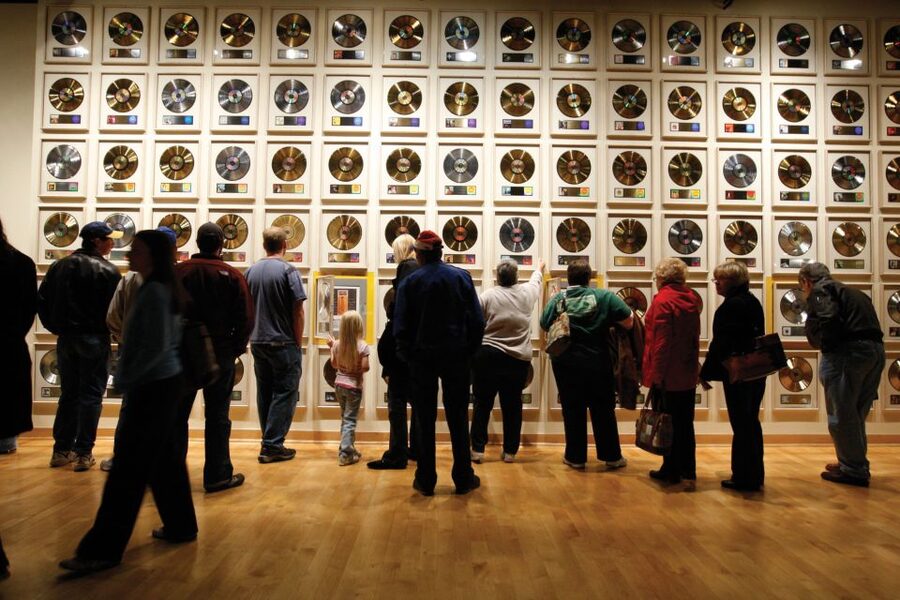
- Costumes, instruments, and gold records tell the visual story
- Films and interactive stations reward a slower visit
- The Taylor Swift Education Center adds a hands-on option
- American Currents and Hatch Show Print
- How long should you spend inside?
- Practical details that affect your visit
- Who will get the most from this museum?
- Should you book the Country Music Hall of Fame?
- FAQ
- Is the Country Music Hall of Fame and Museum guided?
- How long should I allow for the museum?
- What does the $31 admission include?
- Are weekend programs included?
- Is the museum wheelchair accessible?
- Can I bring food, drinks, luggage, or large bags?
Key points to know before you go

- Follow country music from early traditions to current stars: The exhibits connect older performers with artists such as Patsy Cline, Luke Combs, Kane Brown, and Lainey Wilson.
- Plan for a self-guided visit: There is no regular guide leading you from room to room, so you set the pace and choose what deserves your attention.
- Save time for the Hall of Fame Rotunda: The final room displays plaques honoring artists who received country music’s highest honor.
- Use the interactive material: Listening stations, films, archival footage, and recording activities turn the museum into more than a display of objects.
- Check the weekend programs: The Taylor Swift Education Center may offer instrument sessions, songwriting programs, artist interviews, or panel discussions.
- Allow at least two hours: Three hours or more is a better target if you want to see the major exhibits without rushing.
Start with the sound, not just the souvenirs
The Country Music Hall of Fame and Museum is at 222 Rep. John Lewis Way South, in central Nashville. You enter inside the museum at the Information Desk, where your visit begins as a self-guided walk through the galleries.
That format suits this museum. Country music covers too many artists, eras, and side roads for one fixed route to satisfy everyone. I can spend time with a singer I know, skim a familiar display, then stop when an unfamiliar photograph or recording catches my attention.
The museum uses several kinds of material at once. Text panels give the dates and career details, while photographs show the personalities behind the songs. Instruments, handwritten lyrics, stage clothing, awards, cars, and other personal objects help explain how performers built public images as well as musical careers.
The films and archival footage add needed sound and motion. A wall of costumes can be striking, but hearing an artist perform or speak gives the object a reason to matter. Use the listening stations and audio equipment if available during your visit. They reward a slower pace and help connect names on the wall with actual music.
More Nashville museums and collections:
- Country Music Hall of Fame and Museum Admission
★ 4.5 · 1,918 reviews - Musicians Hall of Fame and Museum Admission Ticket in Nashville
★ 4.5 · 337 reviews - NYC: 9/11 Memorial & Museum Timed-Entry Ticket
★ 4.8 · 31,428 reviews
Trace the music from early performers to today
A strong reason to visit is the broad time span. The collection moves from country music’s early traditions through later stars and into current performers. That makes the museum useful for longtime fans, but it also gives newcomers a clear way into the subject.
You might begin with artists your parents or grandparents played, then find displays devoted to singers who shaped later styles. Patsy Cline, for example, appears in the larger story of country performers whose voices reached well beyond a single musical category. Newer artists such as Kane Brown and Lainey Wilson show how the genre continues to change.
The exhibits do not ask you to know every name in advance. Objects and short explanations fill in some of the gaps. I would still resist trying to read every panel in order. Pick a few artists or periods that interest you, then let the collection lead you to related displays.
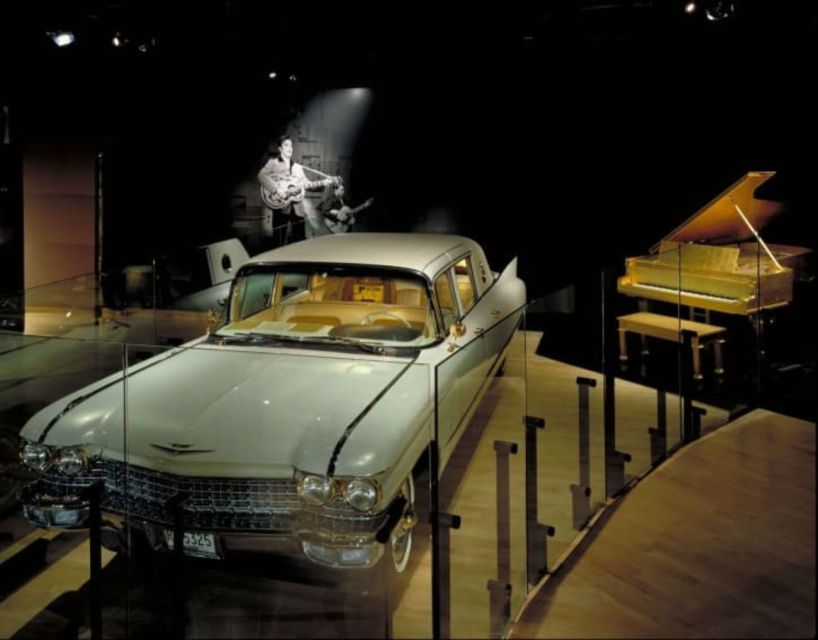
The museum also makes room for country music’s links to other parts of American music. Elvis material is one draw, especially for visitors who may not be going to Memphis. One display can lead you from country records to rock and roll, television, stage performance, and the wider music business.
That range is one reason the museum works for mixed groups. A serious country fan can spend hours with the details, while someone who simply wants a Nashville indoor activity can still follow the main story through clothing, photographs, films, and familiar names.
Costumes, instruments, and gold records tell the visual story
At $31 per person, admission is not a casual five-minute stop, but the value improves quickly once you plan to stay for several hours. The museum is large, with enough material for a half-day visit if you enjoy reading and listening.
The costumes are among the easiest exhibits to appreciate without prior country-music knowledge. Stage clothing shows how performers used color, sparkle, tailoring, and visual drama to create an identity audiences could recognize. It also reminds you that country music has always been performance as much as sound.
Instruments provide another useful layer. A guitar or other stage instrument can look ordinary until you understand who played it and where it fit in that performer’s career. The surrounding captions and photographs give these objects context.
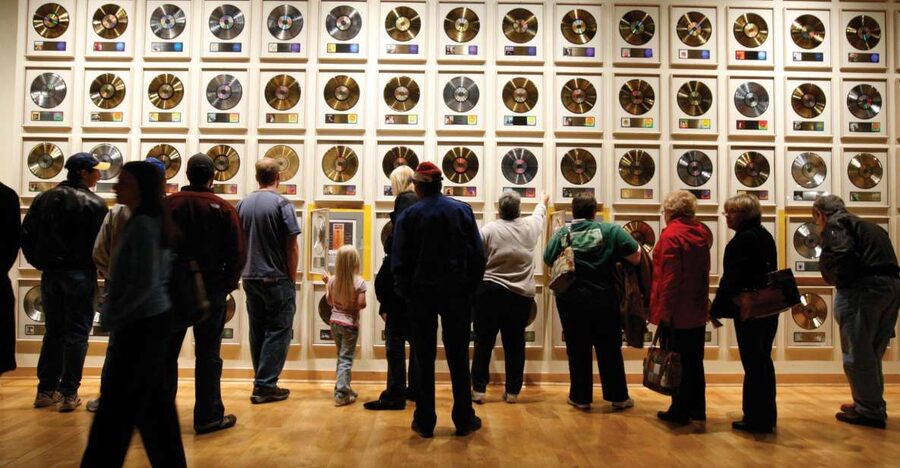
Gold records and awards make the scale of success visible. They are also effective reminders that country music is not one narrow sound. It has moved through changing fashions and audiences while keeping recognizable links to its past.
The display of gold records is a favorite stopping point, and the Hall of Fame Rotunda offers a more solemn finish. Plaques for the honored artists circle the room, giving the visit a clear emotional close. The Rotunda feels less like a busy gallery and more like a place to pause and take in the names.
Films and interactive stations reward a slower visit

The museum is not only a walk past glass cases. Films, archival footage, listening stations, and interactive displays give you several ways to take in the material.
I would make time for the longer country-music film rather than treating it as background noise. It pulls together the performers and periods you see elsewhere in the building. The footage can also help when a name or style is new to you.
Interactive material is useful for families and for anyone who prefers doing to reading. One activity allows you to make a recording, creating a personal souvenir from the visit. Children may find the instrument and songwriting programs at the Taylor Swift Education Center especially appealing when those programs are scheduled.
The audio element matters because a museum about music can become oddly quiet if it relies only on objects. The handheld speakers and listening options reported during earlier visits give the exhibits a stronger connection to the songs themselves.
Do not rush past the archival photographs. They often show the working world around the performer, not just the polished publicity image. You might find a studio scene, a stage moment, or a behind-the-scenes detail that says as much about the period as a formal display.
A completely different way to spend a day nearby:
- Nashville Hop On Hop Off Trolley Tour
★ 4.5 · 5,643 reviews - Nashville: Food Tour with 5+ Tastings of Local Delicacies
★ 5.0 · 2,704 reviews - Best of Nashville City Sightseeing Tour on Double Decker Bus
★ 4.5 · 2,601 reviews - Explore the City of Nashville Sightseeing Tour by Golf Cart
★ 5.0 · 2,544 reviews
The Taylor Swift Education Center adds a hands-on option
The Taylor Swift Education Center is included with museum admission. On weekends, it may offer programs involving instruments and songwriting, along with artist interviews, panel discussions, and related activities.
Because the schedule can vary, check what is happening on your chosen day before building your visit around a particular session. If you are visiting with children, this is one of the strongest reasons to look beyond the main galleries. A hands-on activity can break up several hours of reading and viewing.
For adults, the panels and interviews may provide a different angle from the permanent displays. The main museum tells a long historical story, while a live discussion can focus on how music is written, recorded, performed, or passed from one generation to the next.
These programs also make the museum more than a one-time visit for Nashville residents. Exhibits change, and special sessions can give repeat visitors a reason to return.
American Currents and Hatch Show Print
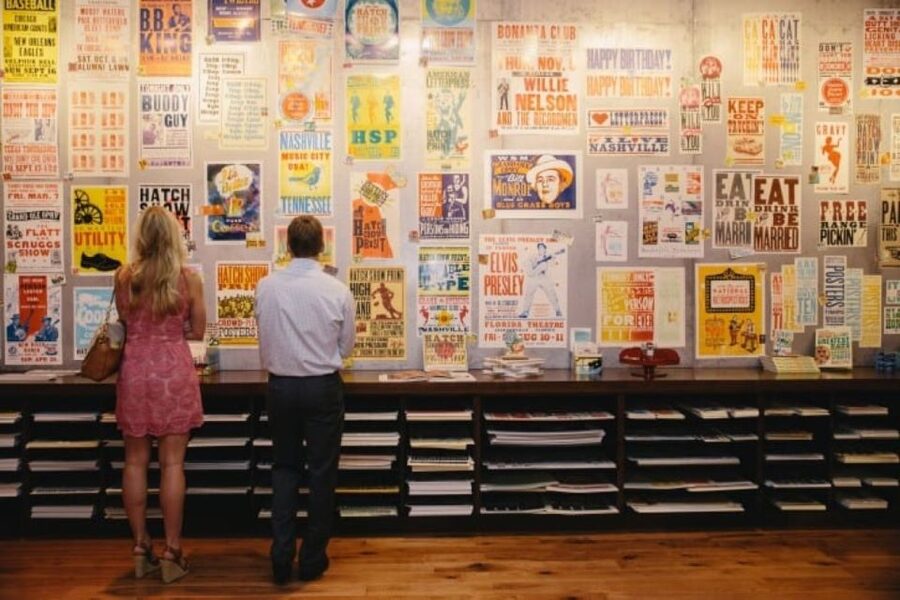
Admission also includes the major exhibition, American Currents, along with the Hatch Show Print Haley Gallery. These areas add variety to the main museum route.
American Currents focuses on the present-day direction of country music. It is a useful counterpoint to the older displays, especially if your musical interests lean toward current performers. A large Luke Combs presentation has attracted attention, and its size may appeal to dedicated fans while feeling excessive to visitors hoping for equal space for every artist.
That is a fair limitation of a museum with changing major exhibitions. A current star may receive a large display for a limited period, while another favorite may appear more briefly. Check the exhibition lineup if one particular performer is the main reason you are considering admission.
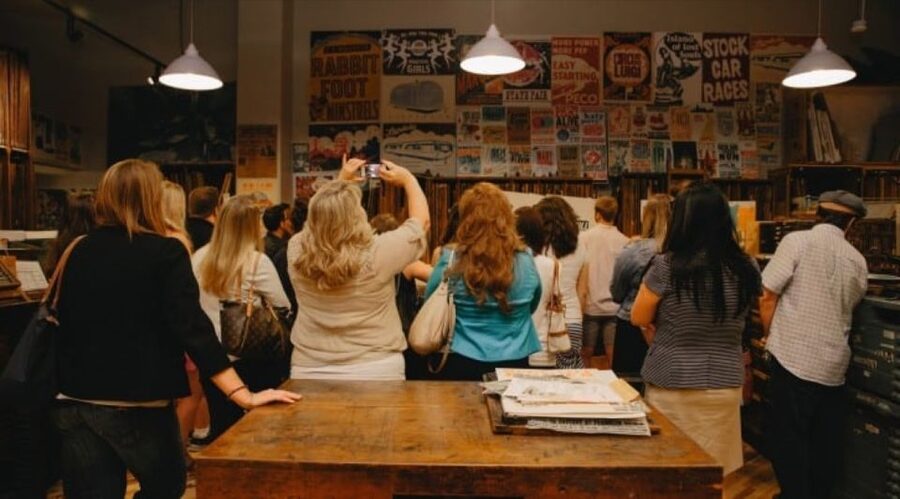
The Hatch Show Print Haley Gallery gives you a look at the visual side of music promotion. Hatch Show Print is closely linked with Nashville’s concert culture, and the gallery adds posters and print work to a museum otherwise filled with sound, clothing, and instruments. It is a welcome change of pace near the end of a long visit.
How long should you spend inside?

The official validity is one day from first activation, so you are not forced into a short timed visit. In practical terms, plan for two hours at the absolute minimum.
Two hours works if you move steadily, focus on major displays, and watch only selected films. I would choose three hours for a first visit. That allows time for the main galleries, listening stations, the current exhibition, Hatch Show Print, and the Hall of Fame Rotunda.
Four hours is reasonable for a serious fan. You can stop for more recordings, read the artist details, watch the films fully, and spend time with costumes and instruments. Several people have found they could have stayed half a day.
The best strategy is to arrive with a loose plan rather than a strict route. Start with the broad historical galleries, then spend more time in the artists and exhibits that matter to you. Save a little energy for the Rotunda instead of treating it as an afterthought.
Crowds can affect the pace. An afternoon visit may feel crowded, especially in popular displays and narrow viewing areas. If your schedule allows, an earlier or later visit may give you more room, though no particular crowd level is guaranteed.
Practical details that affect your visit

This is a self-guided museum visit, not a guided walking tour. You do not need to stay with a group, and you can set your own pace. That is useful if one person in your party wants to read every panel while another prefers films and photographs.
The museum is wheelchair accessible. Food and drinks are not allowed inside, and luggage or large bags are also prohibited, so pack lightly. Your meeting point is the Information Desk inside the museum at 222 Rep. John Lewis Way South.
The listed price is $31 per person. I consider that reasonable if you give the museum at least three hours, particularly because admission includes the main galleries, special programming opportunities, American Currents, the Taylor Swift Education Center, Hatch Show Print Haley Gallery, and the Hall of Fame Rotunda.
The flexible booking terms are useful for a changing Nashville schedule. You can cancel up to 24 hours ahead for a full refund, and reserve now while paying later. Those details matter if you are coordinating the museum with a concert, a Grand Ole Opry visit, or other downtown plans.
One practical warning: do not count on a quick in-and-out visit. The building is large, and the subject invites detours. If you have only an hour before another booking, I would choose a smaller stop instead.
Who will get the most from this museum?
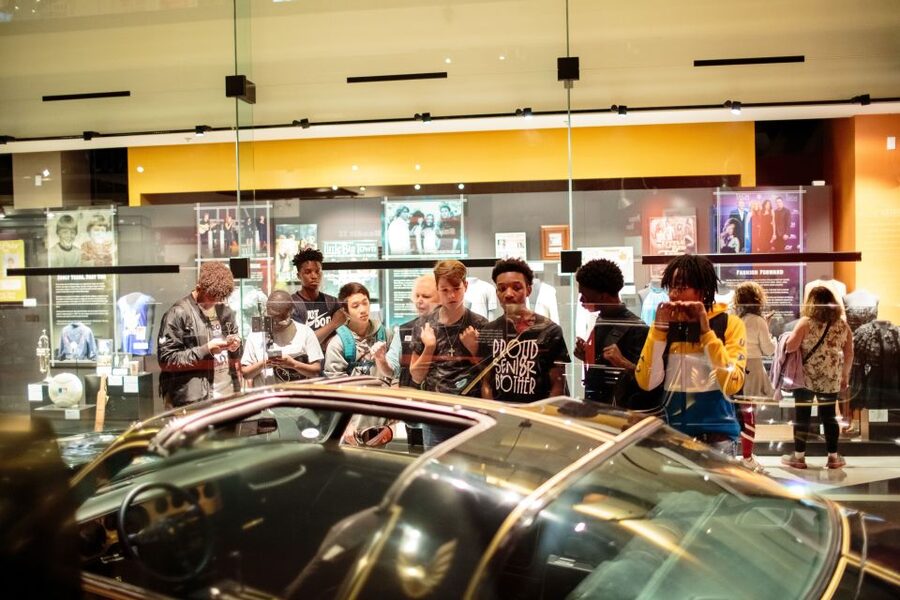
Country-music fans should make this a priority. The collection covers enough artists and eras to reward repeat visits, and the Hall of Fame Rotunda gives the museum a sense of purpose beyond celebrity memorabilia.
It also suits visitors who are not devoted country listeners. If you enjoy American music, pop culture, fashion, photography, or the history of recording, you will find plenty to hold your attention. The exhibits explain how performers reached audiences and how country music changed over time.
Families can use the interactive elements and weekend programs to keep younger visitors involved. Still, the museum includes a lot of reading and visual detail, so children who need constant action may tire before the end.
The self-guided format is best for independent visitors. If you want a guide telling stories at every stop, this is not that kind of tour. If you prefer to pause, skip, return, and follow your own interests, it is a good fit.
Should you book the Country Music Hall of Fame?
Book it if you want more than a quick photo stop in Nashville. At $31, the museum gives you a large indoor program with music, film, costumes, instruments, photographs, special exhibitions, and the Hall of Fame Rotunda. I would reserve at least three hours, with four hours better for dedicated fans.
Skip it only if you dislike museums, have very little time, or expect a live concert rather than a self-guided collection. For everyone else, especially anyone curious about how country music grew from older traditions into a modern American industry, this is one of Nashville’s most useful stops.
FAQ
Is the Country Music Hall of Fame and Museum guided?
No. Admission provides a self-guided tour through the museum galleries. You choose the order, pace, and amount of time spent at each display.
How long should I allow for the museum?
Allow at least two hours for a basic visit. Three to four hours is better if you want to see the major displays, watch films, use listening stations, and read the information panels.
What does the $31 admission include?
Admission includes the self-guided museum galleries, major exhibition, Taylor Swift Education Center, American Currents, Hatch Show Print Haley Gallery, and Hall of Fame Rotunda. It also includes access to scheduled special programming opportunities.
Are weekend programs included?
The admission includes access to special programming opportunities such as instrument activities, artist interviews, songwriting programs, and panel discussions. Check the schedule for the specific date of your visit.
Is the museum wheelchair accessible?
Yes. The experience is wheelchair accessible.
Can I bring food, drinks, luggage, or large bags?
Food and drinks are not allowed inside. Luggage and large bags are also not allowed, so arrive with only what you need for the visit.
Recently reviewed around Nashville
- The Ghosts of Nashville Night-Time Walking Tour★ 4.5 · 799 reviews
- Nashville Rollin Jamboree Comedy & Country Music Sing-Along Tour★ 5.0 · 965 reviews
- 60 Minute Escape Game at Opry Mills★ 5.0 · 370 reviews
- Nashville Combo Tour: Sightseeing, Murals & Brewery/Distillery★ 5.0 · 641 reviews
- “Murder in Music City” Night-Time Ghost Walking Tour of Nashville★ 4.5 · 742 reviews
- Seeking Spirits Haunted Night-Time Pub Crawl in Nashville★ 4.5 · 341 reviews
- All-Inclusive Pub Crawl with Moonshine, Cocktails, and Craft Beer★ 4.5 · 975 reviews
- Nashville RCA Studio B & Country Music Hall of Fame Ticket Combo★ 5.0 · 1,532 reviews
Museums, compared.


Empire State Building Tickets – Observatory & Museum
Read our review →


9/11 Memorial, Ground Zero Tour with Optional 9/11 Museum Ticket
Read our review →

All-Access 9/11: Ground Zero Tour, Memorial and Museum, One World Observatory
Read our review →
Browse the lists this tour appears in