

Reviewed · WALKING TOURS
Boston: Official Freedom Trail® Walking Tour
Boston’s Freedom Trail is more than a painted line through downtown. It is a compact outdoor lesson in how arguments over taxes, power, and liberty became a revolution. This 90-minute walk covers 11 of the trail’s 16 official sites, with costumed guides turning streets, graveyards, and meeting halls into scenes from the 1700s.
I like the way this tour gives you a strong historical framework before you explore on your own, and I like the low $18 price for a live guide and a full mile of sightseeing. The main drawback is that the group can be large, and you do not enter every building or cover the entire trail.
In This Review
- Key points at a glance
- Why this short walk makes sense
- Starting on Boston Common
- Faneuil Hall and the case for independence
- The Boston Massacre site outside the Old State House
- Granary Burying Ground and Boston’s famous names
- The site of America’s oldest public school
- What the remaining stops add
- The guide can make or break the experience
- Group size, pace, and photographs
- How to use the tour with the rest of your day
- Who will enjoy this Freedom Trail walk
- Is $18 good value?
- Should you book it?
- FAQ
- How long is the Official Freedom Trail Walking Tour?
- How many Freedom Trail sites are included?
- What is the tour price?
- Where does the tour meet?
- Are entrance fees included?
- What should I bring?
- Can I cancel the tour?
Key points at a glance
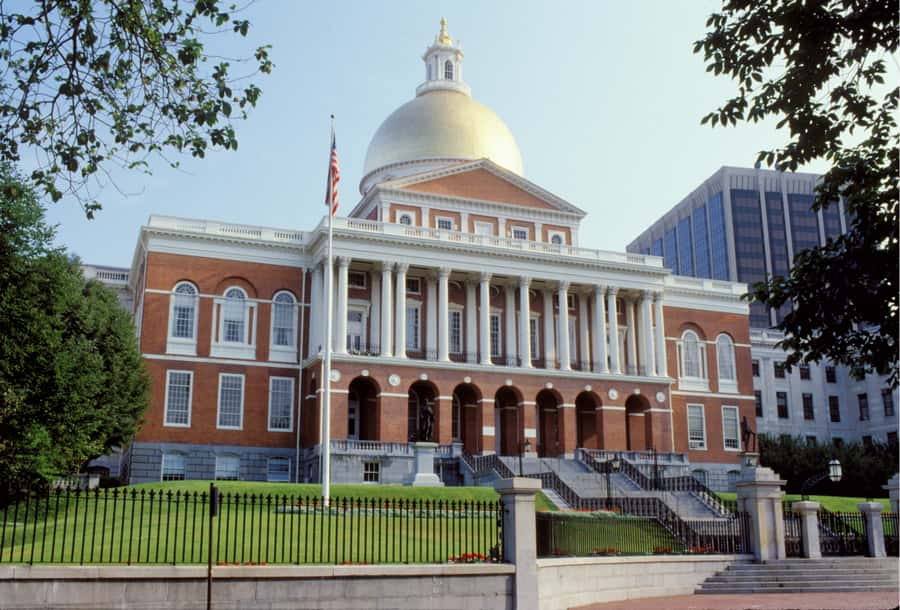
- Eleven official sites in 90 minutes: See a broad slice of the Freedom Trail without spending half a day on foot.
- A guide in period costume: Expect history told through character, humor, and stories rather than a dry list of dates.
- Boston Common begins the story: Visit America’s first public park and one of the city’s most recognizable gathering places.
- Important Revolutionary sites: Stop at the Boston Massacre site, Faneuil Hall, Granary Burying Ground, and the location of America’s oldest public school.
- About one mile of walking: The route is manageable, but comfortable shoes and water still matter.
- A useful first Boston activity: Take the tour early, then return to the sites that deserve a closer look.
Why this short walk makes sense

The Freedom Trail is easy to follow on your own. A red line runs through the city, and signs identify the major stops. But the line cannot explain why a burial ground matters, what a speech at Faneuil Hall meant to ordinary colonists, or how one violent night helped push Boston toward rebellion.
That is the value of this tour. Your guide links the places together. You are not simply looking at an old building, then walking to another old building. You are following an argument that develops from public protest to bloodshed, resistance, and the founding of a new government.
The price is also fair. At $18 per person, the tour costs less than many specialty walks and gives you a live English-speaking guide for about an hour and a half. You are paying for the explanation and pacing, not for admission to every building.
That distinction matters. Entrance fees are not included for the Old South Meeting House, Old State House, Old North Church, or Paul Revere House. You can buy tickets at the door, but plan for those costs separately if you want to go inside.
More Walking Tours in Boston
- Boston: Freedom Trail History Small Group Walking Tour
★ 5.0 · 6,450 reviews - Boston Freedom Trail Walking Tour with Costumed Guide
★ 4.5 · 2,531 reviews - Boston’s Freedom Trail: A Revolutionary Walking Tour
★ 4.9 · 1,748 reviews
Starting on Boston Common
Tours leave from the Boston Common Visitor Information Center every hour on the hour. Another departure point is the ArtsBoston booth at Faneuil Hall, where walks leave every half hour. Your meeting point depends on the option booked, so check the details before setting out.
Boston Common is the natural place to begin. Founded in 1634, it is recognized as America’s first public park, and it gives the tour an open, green starting point before the route moves into the denser streets of the historic center.
Your guide sets the scene here. The best guides do not rush into names and dates. They explain the social and political pressures that shaped Boston, then introduce the people who made the city central to the Revolutionary story, including Paul Revere, Samuel Adams, Crispus Attucks, and John Adams.
The Common is also a practical place to get oriented. You can find the visitor center, confirm the route, fill a water bottle, and settle into the group before the walking begins in earnest.
Faneuil Hall and the case for independence
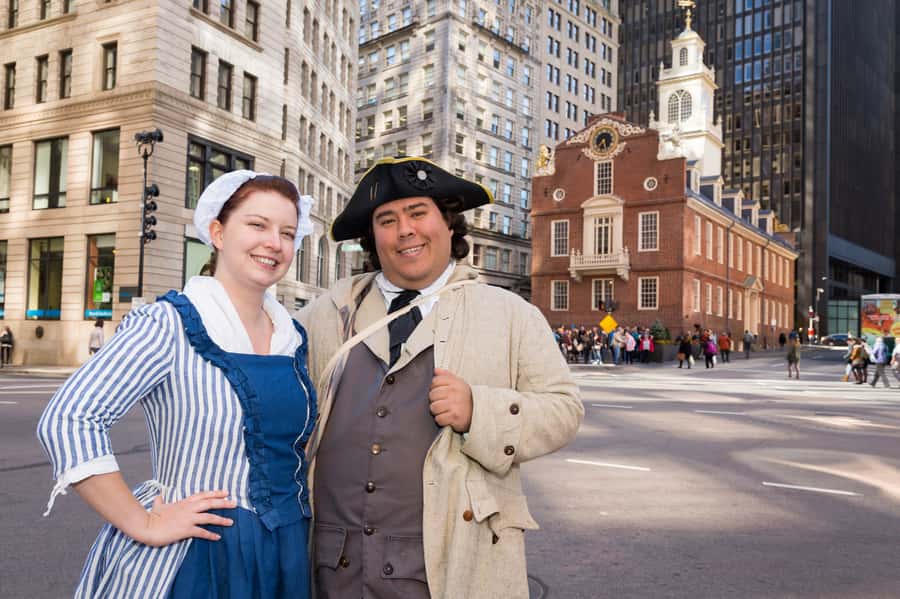
Faneuil Hall is one of the tour’s most important stops because it shows how revolution begins with words. This was a place where public speakers argued about liberty, representation, and British control.
Samuel Adams and James Otis are closely tied to the hall’s political story. Your guide explains how speeches and public meetings helped shape opinion before open fighting began. The point is not just that famous men spoke here. It is that public persuasion was part of the machinery of revolution.
The stop also helps you understand Boston as a place of debate. The Revolutionary movement was not a simple march toward independence. People disagreed, hesitated, argued, and sometimes changed their minds. A good guide leaves room for that human uncertainty.
Faneuil Hall is also one of the places where a large group can be hard to manage. City noise, pedestrians, and the shape of the space may make it difficult to hear every aside. Stay close to the guide and ask for clarification if you miss a point.
The Boston Massacre site outside the Old State House

The Boston Massacre site is marked in the pavement outside the Old State House. On March 5, 1770, British soldiers fired into a crowd, killing five people, including Crispus Attucks.
This stop is powerful because it shows how an event can become a political weapon. The shooting itself was tragic and confused. The colonial response turned it into a symbol of British oppression. Images, speeches, and newspaper accounts helped spread outrage far beyond the immediate scene.
The guide’s explanation matters here. Without context, the marker is easy to overlook. With context, the patch of ground becomes a reminder that revolutions are shaped by public memory as much as by battlefield victories.
You will not necessarily enter the Old State House on this tour. Admission is not included, and the walk is designed to show the principal outdoor and historic locations within its limited time. If you want more time inside, return later with a separate ticket.
More Freedom Trail walks with a guide:
- Boston: Freedom Trail History Small Group Walking Tour
★ 4.9 · 1,590 reviews - Boston’s Freedom Trail: A Revolutionary Walking Tour
★ 5.0 · 1,343 reviews - Freedom Trail Walking Tour 250
★ 4.5 · 1,118 reviews - Entire Freedom Trail Walking Tour: Includes Bunker Hill and USS Constitution
★ 5.0 · 732 reviews
Granary Burying Ground and Boston’s famous names
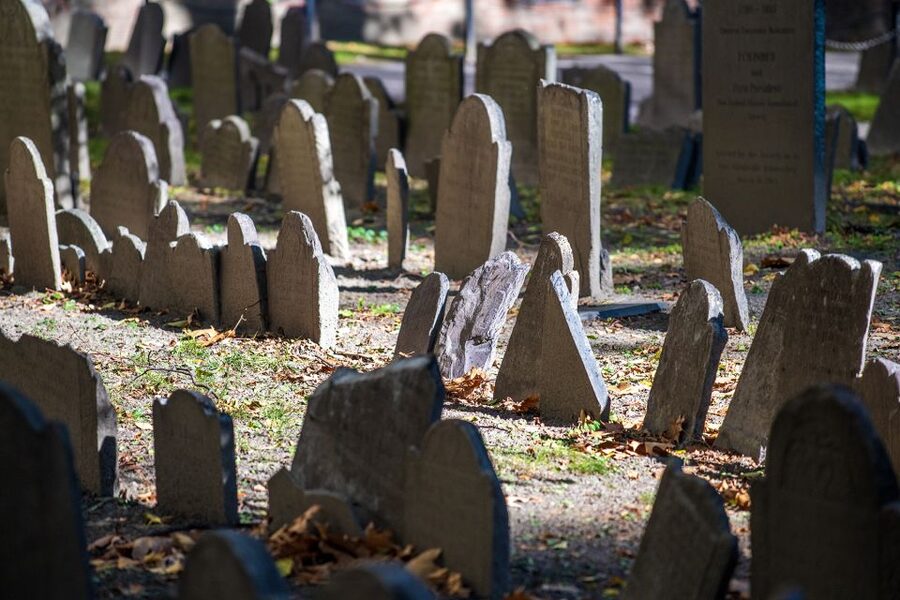
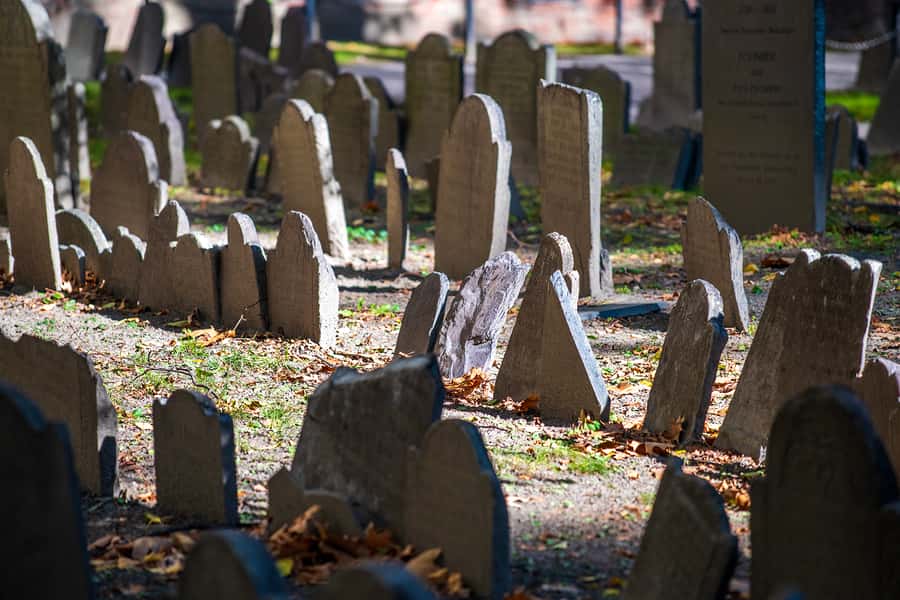
Granary Burying Ground offers a quieter change of pace. The graveyard is the final resting place of Paul Revere, along with other major figures connected to the founding period.
This is one of the tour’s most tangible stops. Speeches and battles can feel distant. Standing among old stones with the names of Revolutionary leaders brings the period closer to everyday human scale.
Your guide points out notable graves and explains why these people mattered. The setting also gives you time for photographs, although the visit is still part of a moving walking tour rather than a long cemetery study.
The burial ground can become crowded, especially when several groups arrive at once. Listen for the guide’s voice and keep the group together. The tour leaders who receive the strongest praise tend to project well, pause for pictures, and keep everyone moving without making the walk feel hurried.
The site of America’s oldest public school
The tour also stops at the site of the oldest public school in the United States. This detail adds a useful layer to the usual story of soldiers, patriots, and political leaders.
A school site reminds you that early Boston was not only a center of protest. It was a working town with institutions, families, education, religion, commerce, and local government. The Revolution grew out of ordinary civic life, not just dramatic moments.
This is a good example of why a guided route helps. A small marker or building front may not seem important when you pass it alone. The guide supplies the reason to stop and explains how it fits into Boston’s wider development.
What the remaining stops add
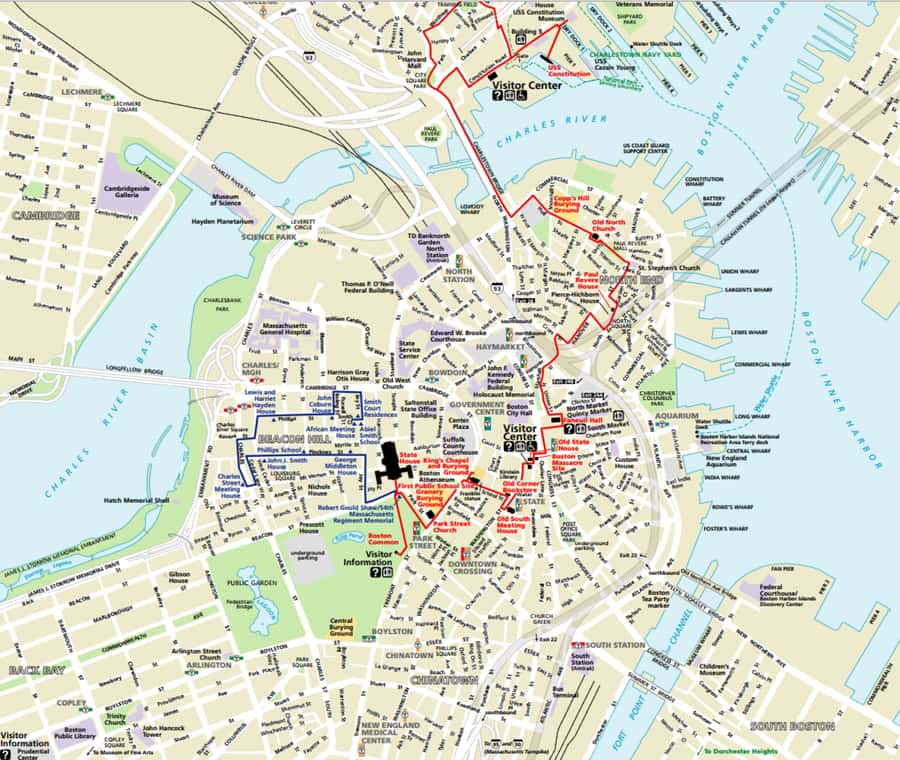
The tour includes 11 of the Freedom Trail’s 16 official sites. The precise order can vary with the departure point, traffic, city events, and the option booked, but the route is designed to connect the principal Revolutionary landmarks in central Boston.
You may see locations associated with the Old South Meeting House, Old State House, Old North Church, and Paul Revere House. These sites carry admission charges if you choose to enter, so think of this experience as a guided introduction rather than a complete indoor museum visit.
That is both a strength and a limitation. In 90 minutes, you get a clear overview and a manageable walk. You do not get enough time for long museum visits, detailed architecture study, or every corner of the Freedom Trail.
The tour is roughly one mile. Most people will find that distance modest, but the stop-and-start format can still be tiring in hot weather, rain, or winter cold. One January tour was described as bitterly cold, with warm clothing making the difference. A July walk may call for water, sun protection, and a slower pace.
The guide can make or break the experience
The format depends heavily on the person leading your group. Names praised in the tour’s recent feedback include Jeremiah Poope, Nate, Danielle, James O’Sullivan, Dr. Byles, Hepzibah Swan, and Matt Prescott.
Jeremiah Poope is repeatedly singled out for humor, clear presentation, strong voice projection, and enthusiasm for Boston’s past. James O’Sullivan is praised for keeping the group engaged during constant rain. Matt Prescott brings the skills of a high-school history teacher, while Dr. Byles is noted for making the subject fun.
That range tells you what to expect from the format. Guides use period names and costumes, but they also bring personal style. Some lean into jokes and character. Others focus more on facts and scene-setting. The common thread is a lively presentation rather than a formal lecture.
A guide who projects well is especially valuable in downtown Boston. Streets can be noisy, and a soft voice disappears quickly. Stay near the front or center of the group if hearing every detail matters to you.
Group size, pace, and photographs
Group size is the biggest practical issue. Several tours have had large groups, and that can make it hard to gather around the guide or catch every joke. Smaller groups offer a more personal experience, but this official walk does not promise a small-group format.
The pace is generally steady, with time for questions and photographs. Guides are expected to keep the group together and avoid leaving people behind. Still, you should not treat this as a leisurely cemetery stroll or a long stop at every building.
I suggest arriving ready to walk and positioning yourself where you can hear. If you have children or teenagers with you, the humor and character work can help keep their attention. One family found that a 15-year-old stayed close to the guide and asked questions throughout the walk.
Video recording is not allowed. Bring a camera for still photographs, comfortable shoes, and water. The tour is conducted in English.
How to use the tour with the rest of your day
This works particularly well as a first activity in Boston. The walk gives you a mental map of the historic center and shows you which places deserve a longer visit.
Afterward, you can return to the Old State House, Old South Meeting House, Old North Church, or Paul Revere House if you want to pay the entrance fee and explore inside. You can also continue along the rest of the Freedom Trail independently.
One useful approach is to keep the afternoon flexible. Do not schedule a tight appointment immediately after the tour. The listed duration is 1.5 hours, but some walks run a little longer when questions are plentiful or the guide has more to explain.
The reverse option offers a different direction along the same historic theme. It may suit you if you have already seen the standard route or want to finish near a particular part of downtown. Meeting points and times can differ, so confirm the option before booking.
Who will enjoy this Freedom Trail walk
I would choose this tour for a first visit to Boston, a family trip, or any day when you want the city’s history explained without committing to a long museum program. It is also a good fit if you like hearing stories from a person rather than reading plaques.
The tour suits adults and older children who can walk for about a mile and stay with a group. The humor gives it broad appeal, while the political and military background provides enough substance for adults.
It is less suitable if you want to enter every landmark, move at your own speed, or concentrate on architecture. In that case, use the red line as a self-guided route and buy individual admissions as needed.
The English-only format also matters. You need enough English to follow a fast-moving spoken presentation, particularly when the group is large or the street is noisy.
Is $18 good value?
For $18, I think the tour offers solid value. You receive a live guide, a period-costumed presentation, and a one-mile route covering 11 official sites. You also avoid the work of piecing together the political connections on your own.
The value drops if you expect museum entry. Four major sites charge separately, and the tour does not cover all 16 Freedom Trail locations. Add admission costs if you want a fuller indoor experience.
Still, the walk can save you time. Instead of stopping at every marker and wondering what matters, you get a broad outline in 90 minutes. You can then spend the rest of the day where your interests lead.
Cancellation is free up to 24 hours before the tour, and you can reserve now while paying later. The ticket guarantees a place on a Freedom Trail Foundation tour on any date and at any time, but departure times can change with little notice. A printed voucher is required.
Should you book it?
Book this tour if you want a lively introduction to Boston’s Revolution-era sites at a modest price. The strongest guides bring humor, strong delivery, and a clear sense of why each place matters. Jeremiah Poope, James O’Sullivan, and several others have shown how much personality can improve a history walk.
Skip it if you need a private or very small group, want to tour every building, or prefer complete control over timing. For most first-time visitors, though, this is a smart way to get your bearings fast, understand the main story, and decide where to spend more time afterward.
FAQ
How long is the Official Freedom Trail Walking Tour?
The tour lasts about 1.5 hours and covers approximately one mile on foot.
How many Freedom Trail sites are included?
The tour features 11 of the Freedom Trail’s 16 official historic sites.
What is the tour price?
The listed price is $18 per person.
Where does the tour meet?
The meeting point depends on the option booked. Tours leave hourly from the Boston Common Visitor Information Center and every half hour from the ArtsBoston booth at Faneuil Hall.
Are entrance fees included?
No. Admission to the Old South Meeting House, Old State House, Old North Church, and Paul Revere House is not included. Tickets can be bought at the door.
What should I bring?
Bring comfortable shoes and water. A printed voucher is required, and video recording is not allowed.
Can I cancel the tour?
Yes. You can cancel up to 24 hours in advance for a full refund. You can also reserve now and pay later.
Recently reviewed around Freedom Trail
- Boston and the Freedom Trail, 1-Day Tour from NYC★ 4.0 · 350 reviews
- Boston’s Freedom Trail: A Revolutionary Walking Tour★ 5.0 · 1,343 reviews
- Freedom Trail Walking Tour 250★ 4.5 · 1,118 reviews
- Boston Freedom Trail History Pub Crawl Small-Group Tour★ 5.0 · 996 reviews
- Downtown Freedom Trail, Beacon Hill & Back Bay Walking Tour★ 4.5 · 473 reviews
- Entire Freedom Trail Walking Tour: Includes Bunker Hill and USS Constitution★ 5.0 · 732 reviews
- From NYC: Boston and the Freedom Trail Full-Day Tour★ 4.4 · 607 reviews
- Boston: Freedom Trail History Small Group Walking Tour★ 4.9 · 1,590 reviews
Walking Tours, compared.

History and Hauntings of Salem Guided Walking Tour
Read our review →
New Orleans Premier Ghost, Voodoo and Vampire Walking Tour
Read our review →


Freedom Trail History Small Group Walking Tour
Read our review →
Historic Charleston Guided Sightseeing Walking Tour
Read our review →
New Orleans Food Walking Tour of the French Quarter with Small-Group Option
Read our review →
St. Louis Cemetery No. 1 Official Walking Tour
Read our review →Browse the lists this tour appears in